Subject matter experts have written these scholarly papers on a wide range of topics relating to FaCT's educational mission





Subject matter experts share their insights on topics impacting the Ohio River Valley region and the U.S.
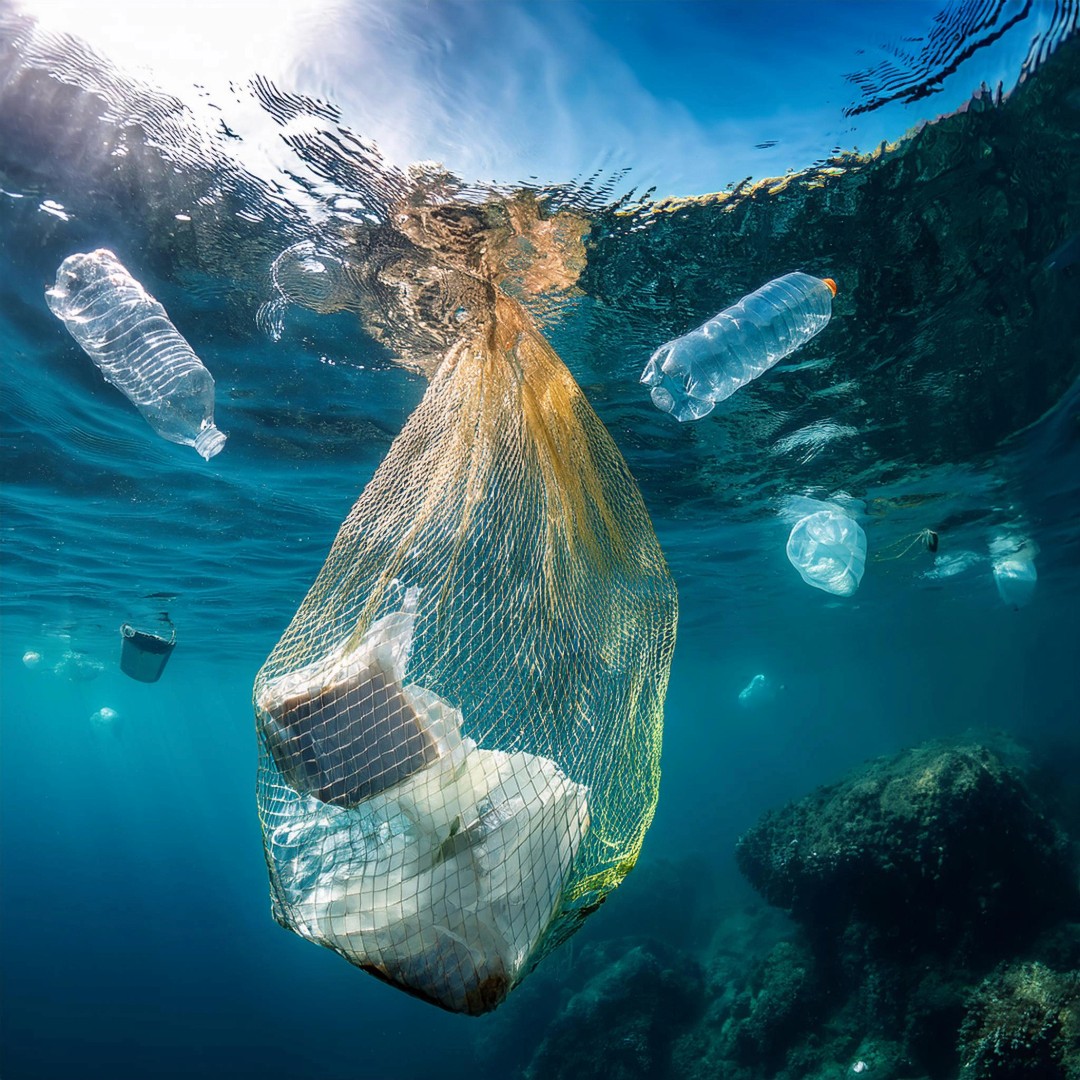
The Truth about Polystyrene
Author: Randi Pokladnik, Ph.D.
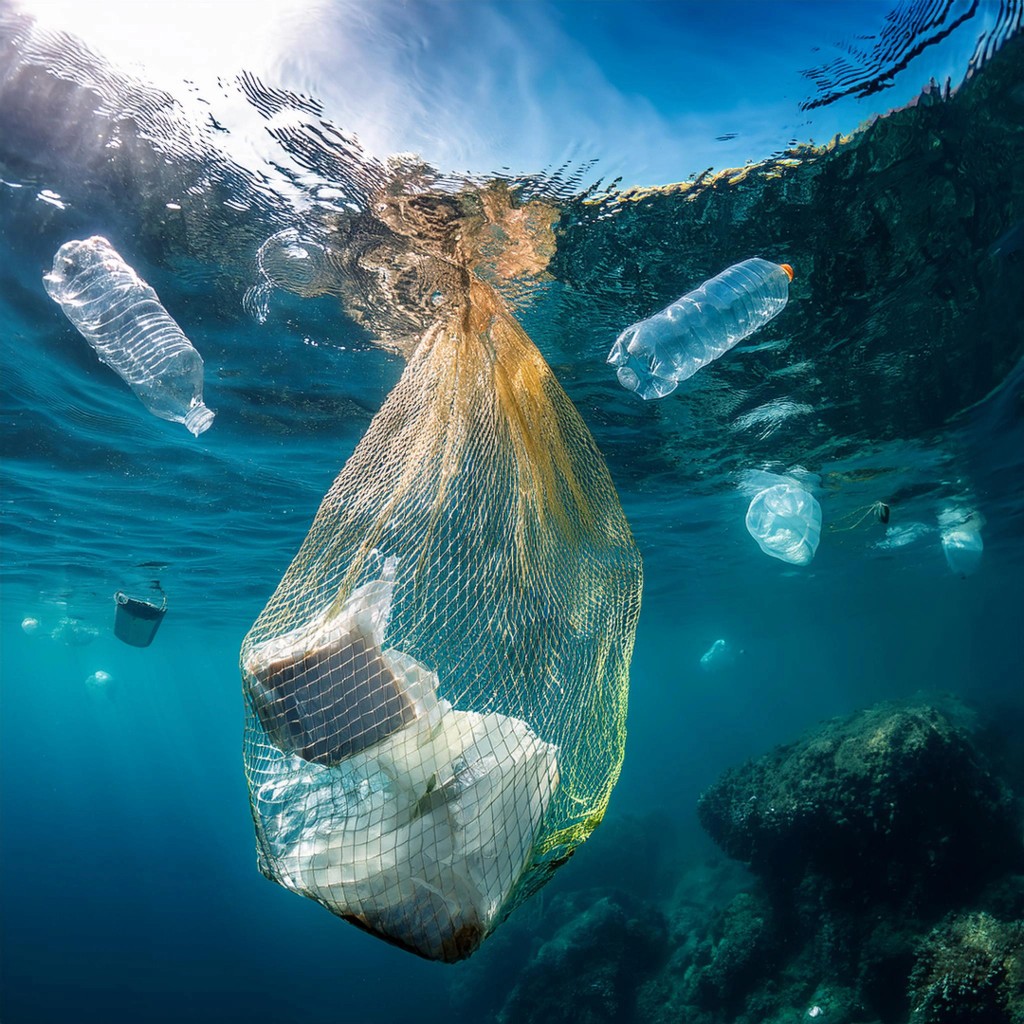
Single-use plastics have increased significantly as a result of the Covid-19 pandemic. Plastic cups, trays, and utensils along with personal protective equipment such as masks and gloves were being used and discarded at an enormous rate. In a recent study published in Chem Engineering Journal, it was estimated that in some cases, hospital wastes have increased by 350 percent. Hospitals as well as some communities are finding it hard to deal with the massive increase. Carelessly discarded face masks and other PPE trash are washing up on beaches and floating in waterways. Pre-Covid-19, cities including Chicago and New York were considering banning restaurants from using single-use plastic for take-out, and requiring reusable dinnerware for dine-in service. But due to concerns over health and safety, these restrictions were put on hold and the use of plastics actually increased in the food service industry.
Read the paper

Proposed Pipelines and Environmental Justice: Exploring the Association between Race, Socioeconomic Status, and Pipeline Proposals in the United States*
Authors: Johann Strube, Ted Auch, and Brian C. Thiede
The current natural gas and oil boom in North America requires new pipelines, which pose environmental risks from wellheads to their destinations. Environmental justice literature suggests that ethno-racial minorities, populations with low socioeconomic status, and rural communities are disproportionally exposed to risks associated with potentially harmful land uses.
Using data from the American Community Survey’s 2015 five-year estimates and data on the route of proposed pipelines compiled by The FracTracker Alliance, this study tests whether the above assumptions are true for proposed FERC-permitted natural gas transmission pipelines in the United States for which planned routes have been made available.
The results of logistic regression models provide only limited, and in some cases contradictory, support for these hypotheses. Although an increased share of highly educated residents significantly decreases the likelihood of a pipeline proposal in a census tract, a higher poverty rate also significantly lowers this probability. Likewise, the share of Black and Hispanic residents is significantly and negatively associated with pipeline proposals. However, reliable routing data are needed to test whether this holds true for built pipelines, but these data are considered confidential and thus inaccessible in the United States.
Read the paper

Incineration isn’t a solution to our waste problems
Author: Randi Pokladnik, Ph.D.
Years ago, one of the weekly chores of many families was to burn trash in a metal drum or barrel. They did not have regular garbage pick-up, especially those living in the rural areas. Some areas today still do not have garbage pick-up. We had one of those barrels near the back of our yard and I remember my dad burning our trash. It was quite remarkable that in a few hours, all that remained of a week’s worth of garbage was a pile of ash. However, burning our waste is really not a safe or sustainable way to address the issue.
Read the paper
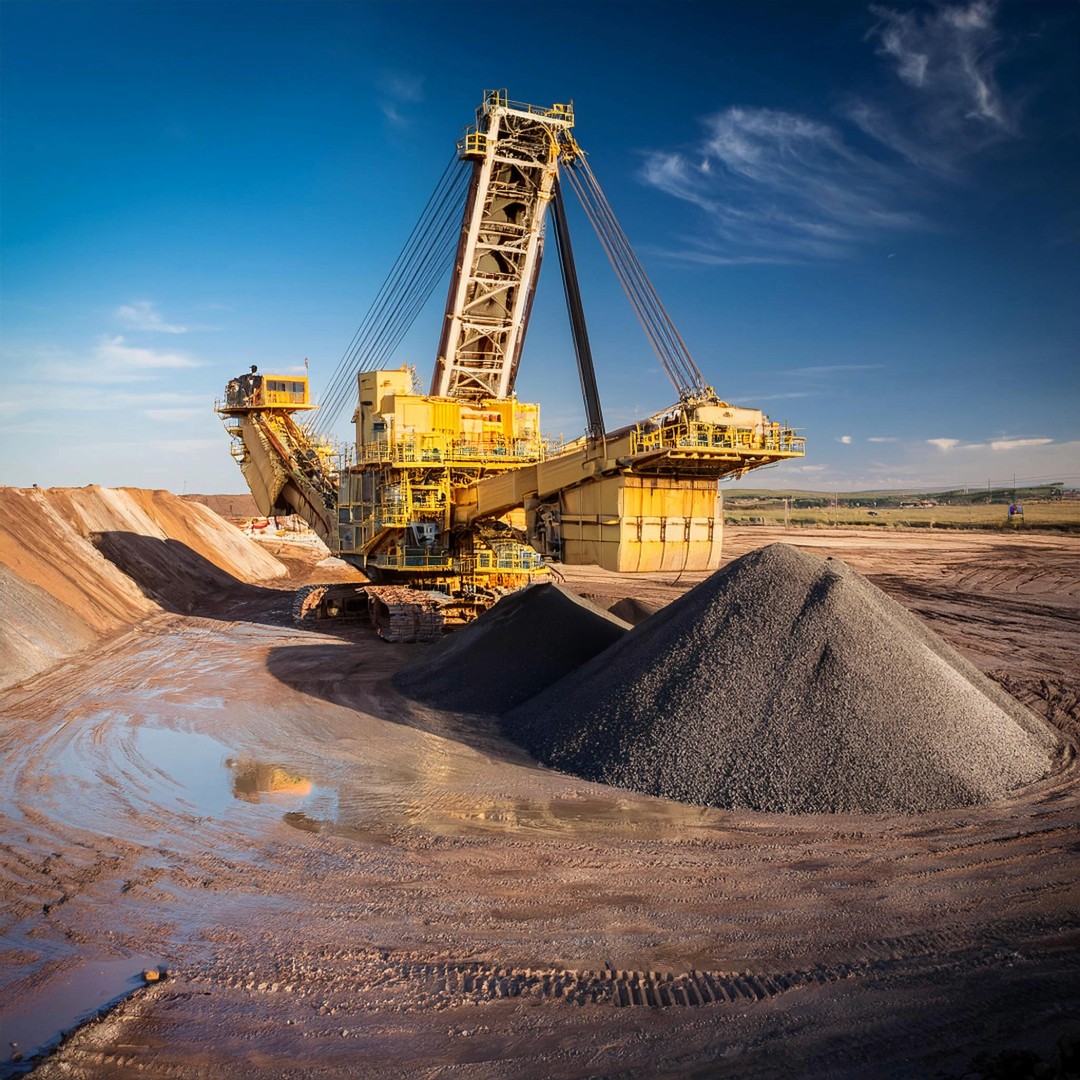
Energy Security, International Investment, and Democracy: The Case of the United States Shale Oil and Gas Industry
Authors: Bryan T. Stinchfield, Ted Auch, and Eve Bratman
Proponents of the US shale oil and gas industry argued that American citizens’ economic prosperity and national security were at stake if the industry was not rapidly expanded. Following copious amounts of a certain type of “patriotic” rhetoric, the industry grew rapidly. Simultaneously, foreign ownership of US shale industry infrastructure occurred in tandem with calls for new policies and laws to limit US citizens’ democratic rights with regard to the industry’s activities. As a result, we argue that the development of the US shale industry has weakened national security by creating negative security externalities and eroding democratic values. We offer implications for other democratic societies rich in natural resources.
Read the paper
Load More White Papers
